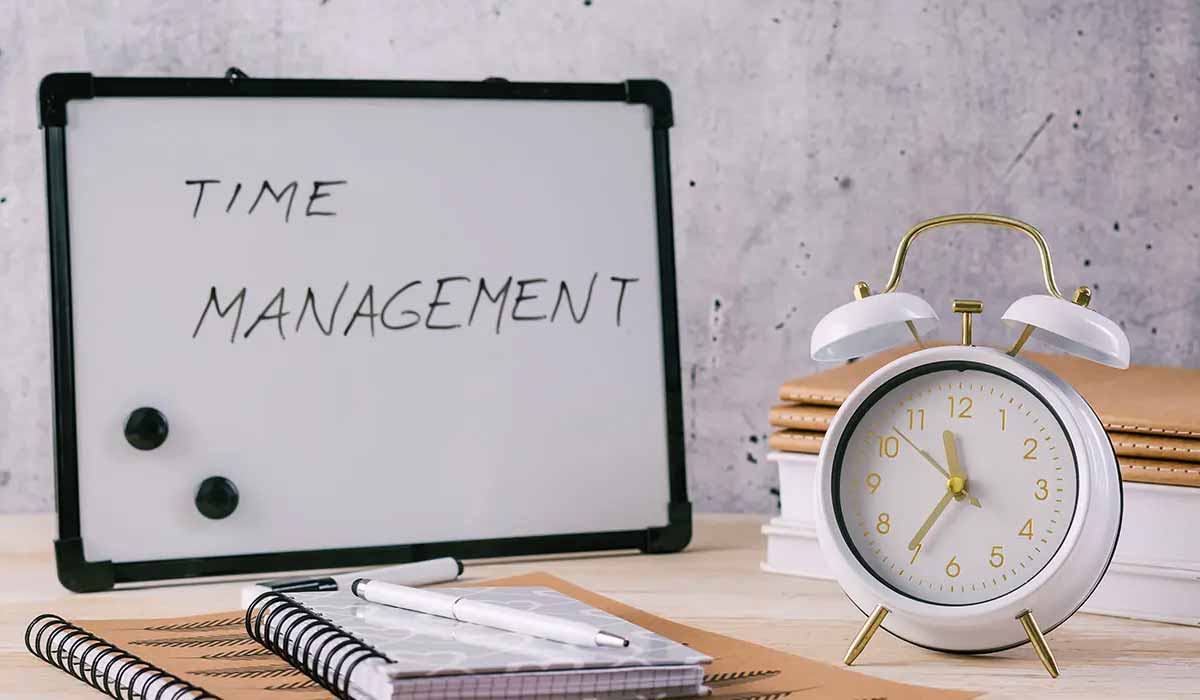
Learn effective time management strategies to boost productivity, reduce stress, and achieve personal and professional goals.
Time management plays a crucial role in helping people achieve success in both personal and professional life. Many individuals struggle to balance tasks, deadlines, and responsibilities, which often leads to stress and poor productivity. Good time management helps people organize their activities and focus on what truly matters.
The following Counting Times will discuss about Learn effective time management strategies to boost productivity.
Setting Clear Goals and Priorities
Clear goals help people understand what they want to achieve. Without direction, time gets wasted on unimportant activities. Setting goals creates focus and purpose in daily life.
People often divide goals into short-term and long-term categories. Short-term goals help manage daily tasks, while long-term goals guide future success. This balance improves productivity and motivation.
Prioritization also plays an important role. Individuals must identify tasks that matter most and complete them first. This approach reduces stress and increases efficiency.
Planning and Scheduling Daily Activities
Planning helps people organize their time effectively. A well-structured schedule gives clarity and direction throughout the day. Many successful individuals rely on planning to stay productive.
People use tools like calendars, planners, and digital apps to manage their schedules. These tools help track tasks and deadlines. They also prevent confusion and missed responsibilities.
Consistency in planning improves discipline. When people follow a routine, they develop better habits. This structure leads to long-term success and stability.
Also Read: The Secret to Young People’s Success! The Importance of Setting Goals Early
Avoiding Distractions and Staying Focused
Distractions reduce productivity and waste valuable time. Social media, unnecessary notifications, and multitasking often interrupt focus. Managing distractions improves work quality.
People must create an environment that supports concentration. A clean workspace and quiet surroundings help maintain attention. This setup allows better performance.
Focus also improves when individuals set time limits for tasks. Working within specific time blocks encourages discipline. It also increases efficiency and reduces procrastination.
Using Productivity Techniques and Tools
Productivity techniques help people manage time more effectively. Methods like the Pomodoro Technique and time blocking improve focus and output. These strategies create structure in daily tasks.
Digital tools also support time management. Apps for task tracking and reminders help users stay organized. These tools reduce mental load and improve planning.
People also benefit from habit tracking. Monitoring progress helps maintain consistency. This practice builds long-term discipline and improvement.
Balancing Work, Rest, and Personal Life
Time management also includes maintaining balance in life. People need time for work, rest, and personal activities. Balance prevents burnout and improves well-being.
Rest plays a vital role in productivity. Breaks help the brain recover and improve focus. Without rest, performance decreases over time.
Personal life also matters in time management. Spending time with family and hobbies improves happiness. A balanced life supports both mental health and productivity.
Image Information Source:
- Main image from Medium
- Second Image from Mopix.org